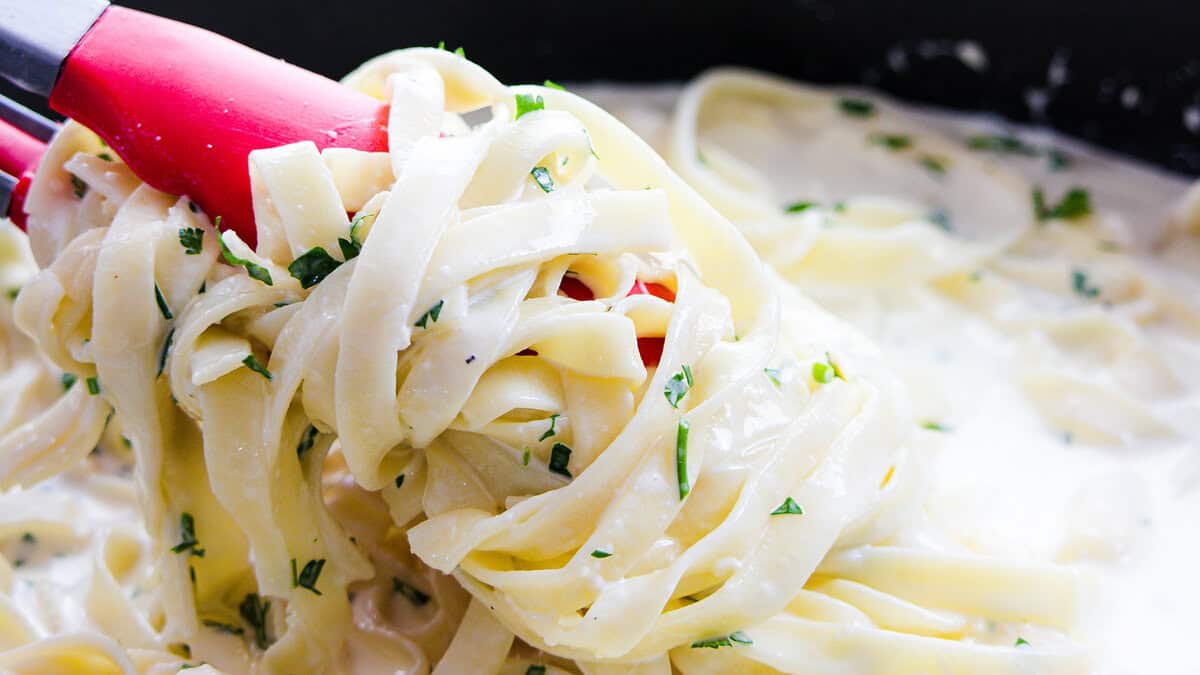
Have you ever dined at an authentic Italian trattoria and wondered what magical touch makes their pasta dishes so incredibly craveable? The kind where every strand glistens, perfectly coated in a sauce that clings like a lover, bursting with deep, cohesive flavor? For many home cooks, replicating this restaurant-quality pasta can feel like an elusive dream. We boil, we drain, we pour sauce over, and while it's certainly edible, it often lacks that unctuous, integrated perfection that defines a truly exceptional plate of pasta.
The good news? Achieving this culinary nirvana isn't about expensive ingredients or secret, rare spices. It boils down to one surprisingly simple, yet profoundly transformative, technique that professional chefs and Italian grandmothers alike have mastered for generations. This isn't just about combining two components; it's about making them one harmonious, utterly delicious dish. Are you ready to discover the one step that makes pasta taste like it came from an Italian restaurant?
The Culinary School Revelation: Beyond Just Boiling
For years, my own pasta routine was predictable: bring water to a rolling boil, add the pasta, cook until soft, drain vigorously, and then unceremoniously dump a ladleful of sauce on top. It worked, mostly. Dinner was served. But it wasn't until I found myself in a bustling culinary school kitchen, watching a chef instructor work their magic, that my understanding of pasta cooking was completely revolutionized.
The chef, with an almost balletic grace, didn't just drain pasta. They moved linguine straight from its boiling bath into a pan brimming with simmering sauce. What followed was a mesmerizing display of tossing and swirling, a fluid dance where the pasta and sauce came alive, transforming before my eyes. The sauce thickened, became glossy, and adhered to every single strand of pasta as if they were made for each other. It was a revelation, a moment of profound clarity that immediately brought back a long-forgotten memory.
I remembered my Italian grandmother, standing at her stove, lovingly coaxing leftover spaghetti and a little sauce into something even more delicious than the night before. She'd add a drizzle of olive oil, a splash of saved pasta water, and toss it all together in a hot pan. That humble leftover dish always tasted extraordinary. Unbeknownst to me then, she was intuitively practicing the very technique professional chefs swear by: she was finishing the pasta in the sauce. This fundamental shift from merely combining ingredients to truly integrating them is the secret to unlocking restaurant-quality pasta at home.
Why Finishing in the Sauce is a Game Changer
This technique isn't just a culinary flourish; it's rooted in brilliant kitchen chemistry. When you move your pasta directly from the boiling water into a pan of simmering sauce, several magical things begin to happen:
- The Science of Starch: As pasta cooks, it releases starch into the cooking water. When you transfer the pasta, it carries some of this starchy water with it, and continues to release starch directly into your sauce. This starch is your secret weapon. It acts as a natural emulsifier, binding the fat and liquid in your sauce together. This is what creates that desired silky, glossy texture that coats every noodle instead of pooling at the bottom of the plate.
- Flavor Infusion: Instead of simply being coated, the pasta actually continues to cook and absorb the flavors of the sauce. This isn't just about surface taste; the sauce penetrates the pasta itself, resulting in a dish where every bite is cohesive and deeply flavorful. The pasta doesn't just hold the sauce; it becomes an integral part of it.
- Texture Transformation: The continuous cooking in the sauce ensures the pasta reaches its perfect al dente stage, retaining a pleasant chewiness. Simultaneously, the sauce transforms into something luxurious and velvety, adhering to each strand without being overly thick or watery. It’s the difference between a loose coat and a perfectly tailored suit.
This process elevates your dish from "pasta with sauce" to a truly integrated, craveable experience. You'll see this same magic in classic dishes like creamy Fettuccine Alfredo, where the sauce perfectly coats the wide ribbons, or a rich Spaghetti alla Carbonara, where the egg and cheese sauce emulsifies into a luscious, clinging dream. The moment the sauce clings perfectly, the pasta glistens, and the flavors taste deeper and more alive – that's the tell-tale sign of pasta prepared the Italian way.
Mastering the Technique: Step-by-Step for Perfect Pasta
Ready to transform your pasta nights? Here’s how to implement this game-changing technique, ensuring you achieve Master Pasta Perfection every single time:
1. The Right Start: Water and Salt
- Generous Water: Use a large pot and plenty of water (at least 4-6 quarts for a pound of pasta). This allows the pasta to move freely and cook evenly, preventing sticking.
- Salt It Right: Salt your pasta water generously. It should taste "like the sea." This is your primary opportunity to season the pasta itself, not just the sauce. Aim for about 1-2 tablespoons of kosher salt per gallon of water. Remember, most of this salt will be drained away, but the flavor it imparts to the pasta is crucial.
2. Cook to Al Dente (Almost)
Add your pasta to the vigorously boiling, well-salted water. Cook it until it’s about 1-2 minutes less than the package directions indicate for al dente. This slightly undercooked pasta is essential, as it will continue to cook and absorb flavor in your sauce. While the pasta boils, ensure your sauce is simmering gently in a separate wide pan.
3. The Crucial Transfer & Finish
- Liquid Gold: Pasta Water: Before draining your pasta, save at least 1-2 cups of the starchy pasta cooking water. This "liquid gold" is critical for achieving the perfect sauce consistency and aiding emulsification.
- Direct Transfer: Using tongs or a spider strainer, lift the pasta directly from the boiling water and transfer it to the pan with your simmering sauce. Don't drain it completely through a colander, as you want some of that starchy water to come along for the ride.
- Toss and Simmer: Vigorously toss and stir the pasta in the sauce over medium heat. This is where the magic happens. The pasta will finish cooking, absorbing the sauce's flavors, and releasing its starches to thicken and emulsify the sauce.
- Adjust with Pasta Water: If the sauce seems too thick or dry, gradually add a splash of your reserved pasta water, tossing continually. The starch in the water will help the sauce bind beautifully to the pasta, creating that luxurious, glossy finish. Continue to cook, tossing frequently, until the pasta is perfectly al dente and the sauce clings beautifully.
4. The Final Flourish
Just before plating, you can stir in a knob of butter, a drizzle of high-quality extra virgin olive oil, and/or a generous handful of freshly grated Parmesan or Pecorino Romano cheese. These additions add richness, shine, and an extra layer of umami that truly elevates the dish.
Beyond the Basics: Tips for Next-Level Pasta Dishes
Now that you've mastered the foundational technique, here are some additional insights to elevate your pasta creations even further:
- Match Pasta to Sauce: Thicker, heartier sauces pair well with robust pasta shapes like rigatoni or pappardelle, which can hold up to the sauce. Lighter, smoother sauces, or those with delicate ingredients, are often best with long, thin strands like spaghetti or linguine.
- Fresh vs. Dried: Fresh pasta cooks much faster than dried. Adjust your initial boiling time accordingly to ensure it’s still slightly undercooked when it hits the sauce.
- Sauce Temperature: Always ensure your sauce is warm and gently simmering when the pasta is added. Adding hot pasta to a cold sauce will cool everything down and hinder the emulsification process.
- Serve Immediately: Pasta is at its absolute best right off the stove. The clinging sauce and perfect al dente texture will start to diminish if left to sit.
- Experiment: This technique isn't just for tomato-based sauces. It works beautifully with creamy sauces like Cacio e Pepe, pesto, or even a simple aglio e olio. Each time, the result will be a dish where the pasta and sauce are inextricably linked, creating a symphony of flavor and texture.
Embracing this simple "one step" of finishing your pasta in the sauce is nothing short of transformative. It bridges the gap between everyday home cooking and the unparalleled taste experience of a truly great Italian restaurant. You’ll find your sauces are glossier, your pasta is more flavorful, and every bite is a cohesive, delicious journey. Say goodbye to watery sauces and bland noodles, and hello to a new era of Master Pasta Perfection in your own kitchen.
