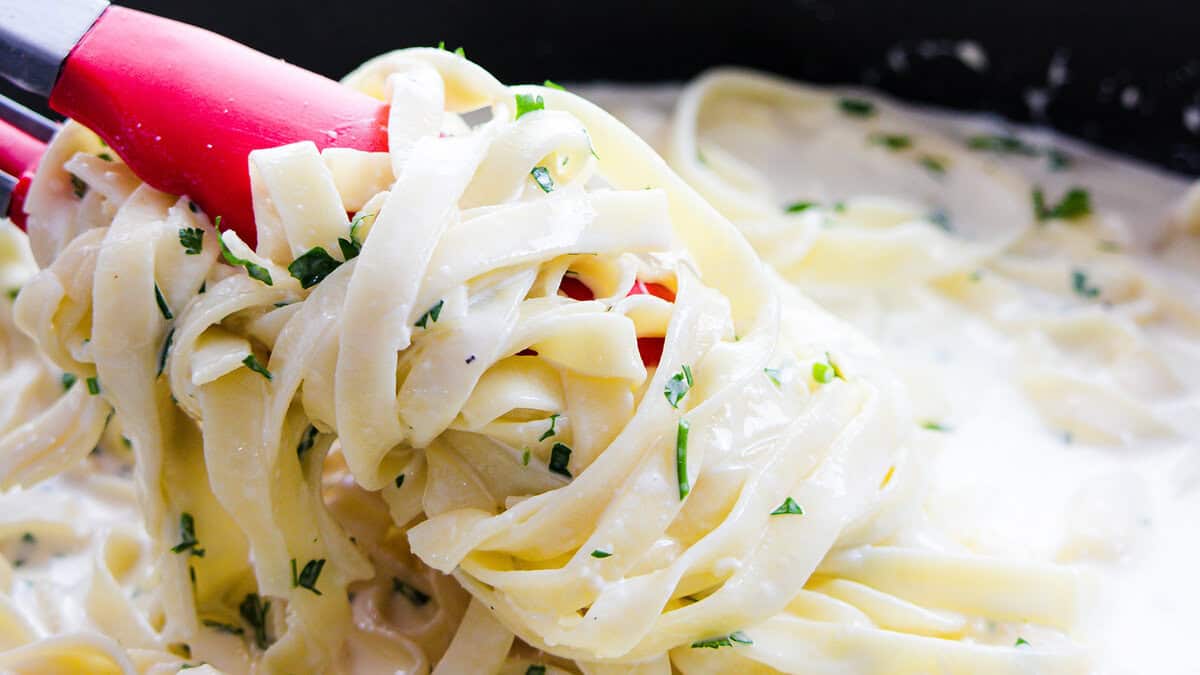
The One Step for Italian Restaurant-Quality Pasta
Have you ever wondered why the pasta dishes you enjoy at your favorite Italian restaurant taste so profoundly different from what you whip up at home? It's not just the fancy ingredients or a chef's secret blend of spices. Often, it comes down to a single, transformative technique that elevates a simple plate of pasta from good to truly extraordinary. This isn't a secret held by Michelin-starred chefs alone; it's a fundamental principle deeply rooted in Italian culinary tradition, easily replicated in your own kitchen. It's truly *the one step that makes pasta taste like it came from an Italian restaurant*.
For years, many of us have followed a standard script: boil pasta, drain it, and then pour sauce over the top. While this method is functional, it misses a crucial opportunity to fuse the pasta and sauce into a harmonious, flavorful entity. What we're about to reveal is a game-changer – a technique that professional chefs and Italian nonnas have instinctively understood for generations. It’s about more than just combining ingredients; it’s about creating an undeniable culinary synergy.
Beyond the Boil: Unveiling the Italian Secret
Most home cooks approach pasta as two separate components: the noodles and the sauce. We cook the pasta in one pot, typically boiling it until tender, then drain it thoroughly before spooning a ready-made or homemade sauce on top. While convenient, this approach often results in a dish where the sauce sits *on* the pasta rather than becoming an integral part of it. The noodles can taste bland, and the sauce, however delicious on its own, struggles to cling, leaving you with a watery pool at the bottom of your plate.
The revelation comes from understanding that pasta cooking isn't truly finished until it meets its sauce. Imagine a bustling Italian kitchen, or the comforting scene of a nonna at her stove. You'll observe a fluid, almost choreographed motion as pasta, slightly undercooked, is whisked from its boiling bath directly into a pan brimming with simmering sauce. This isn't just a matter of timing; it's *the one step that makes pasta taste like it came from an Italian restaurant*. It’s a moment of culinary alchemy where two distinct elements become one glorious dish.
This method isn't new; it's a time-honored tradition. My own culinary journey took a significant turn when I witnessed a chef instructor execute this with such seamless grace – a swirl, a flip, a perfect shimmer. It brought back a vivid memory of my Italian grandmother, transforming leftover spaghetti into something even more delicious the second time around, tossing it in a pan with a drizzle of olive oil, a little leftover sauce, and a splash of reserved pasta water. Unbeknownst to me then, she was practicing the same professional finishing technique, proving that true culinary wisdom often resides in the simplest, most intuitive actions.
The Science of Sauciness: Why This Step Works Magic
So, what exactly happens during this magical "finishing" process? When pasta, still slightly firm (al dente), is transferred directly from its cooking water into a hot pan of sauce, several critical reactions occur simultaneously, transforming the dish:
1.
Continued Cooking and Flavor Absorption: The pasta continues to cook in the sauce itself. As it does, it actively absorbs the flavors of the sauce, rather than just being coated by them. This infuses every strand and shape with richness and depth, making the pasta itself a flavorful component, not just a vehicle for the sauce.
2.
Starch Release and Emulsification: Pasta releases starch into its cooking water. When you transfer the pasta, you also carry over some of this starchy liquid. This starch, combined with the fats in your sauce (like olive oil or butter), acts as a natural emulsifier. As you toss and stir, the starch binds the sauce to the pasta, creating a glossy, cohesive texture that coats every noodle perfectly. It thickens the sauce just enough, turning it silky and luxurious.
3.
The "Glue" Effect: That released starch is crucial. It acts like a natural glue, ensuring the sauce *clings* to the pasta. No more watery sauce pooling at the bottom of the bowl! Instead, each forkful is perfectly sauced, a testament to the seamless integration of flavors and textures. This is precisely why your pasta feels more satisfying and flavorful when prepared this way – it's a unified experience.
This emulsification is the cornerstone of why *the one step that makes pasta taste like it came from an Italian restaurant* works so effectively. It's the difference between merely combining two parts of a meal and creating one craveable, harmonious dish. The visual result is immediate: the sauce isn't just sitting *on* the noodles; it's soaked *into* them, glossy and clinging as if they were made for each other.
Mastering the Technique: Your Step-by-Step Guide to Restaurant-Quality Pasta
Implementing this technique is surprisingly simple, yet it requires a shift in mindset from traditional pasta cooking. Here’s how to achieve that coveted Italian restaurant quality every time:
1.
Start with Proper Water and Salt: Use a large pot with plenty of water (at least 4-6 quarts for a pound of pasta) to ensure the pasta cooks evenly and doesn't stick. Salt the water generously – it should taste like the sea. This is your first opportunity to season the pasta itself from the inside out. Remember, this isn't just about making the water salty; it's about seasoning the pasta.
2.
Cook Pasta Al Dente (Slightly Undercooked): Cook your pasta until it's *al dente*, meaning it's still firm to the bite. For most dried pastas, this means reducing the package cooking time by 1-2 minutes. The pasta will continue cooking in the sauce, so you want it slightly undercooked initially.
3.
Prepare Your Sauce Simultaneously: Your sauce should be simmering and ready in a wide pan when the pasta is almost done. If your sauce is too thick, thin it slightly with a ladleful of reserved pasta water.
4.
Reserve Pasta Water: This is non-negotiable! Before draining, always scoop out at least 1-2 cups of the starchy pasta water. This liquid is gold; it’s key for emulsifying and loosening your sauce later.
5.
Transfer Directly to Sauce: Using tongs or a spider strainer, lift the pasta directly from its boiling water and transfer it into the pan with your simmering sauce. Do not rinse the pasta under cold water – ever! Rinsing removes the essential starch that helps the sauce cling.
6.
Toss, Stir, and Emulsify: Vigorously toss and stir the pasta in the sauce over medium heat for 1-2 minutes. This is where the magic happens. The pasta will absorb the sauce, and the starch will begin to thicken and emulsify everything. Add small splashes of your reserved pasta water as needed, tossing constantly, until the sauce reaches a glossy, velvety consistency that beautifully coats the pasta.
7.
Finish with Flair: Remove from heat, and consider adding a knob of butter, a drizzle of high-quality olive oil, and/or freshly grated Parmesan cheese (if appropriate for the dish) during the final toss. This adds richness and further aids in emulsification.
8.
Serve Immediately: Pasta is best enjoyed fresh from the pan. Plate it promptly, perhaps with a final flourish of fresh herbs or more cheese.
This simple yet profound technique ensures your pasta dishes are infused with flavor, perfectly textured, and beautifully cohesive. For more insights into creating that perfect cling, explore
Master Pasta Perfection: The Secret to Clinging Sauce.
Elevating Every Dish: Recipes That Shine with This Method
Once you've mastered *the one step that makes pasta taste like it came from an Italian restaurant*, you'll find that virtually any pasta dish is transformed. This technique is the cornerstone of classic Italian recipes, enhancing their inherent flavors and textures:
*
Fettuccine Alfredo: Imagine each broad ribbon of fettuccine generously coated in a rich, emulsified Parmesan and butter sauce, every strand glistening and perfectly integrated.
*
Spaghetti alla Carbonara: The creamy, eggy sauce becomes one with the spaghetti, binding together with the rendered guanciale or pancetta to create a luxurious, unforgettable experience.
*
Pasta alla Norma: The rich eggplant and tomato sauce lovingly embraces every noodle, its flavors deeply absorbed into the pasta itself.
*
Spaghetti alla Puttanesca: The bold, briny flavors of olives, capers, and tomatoes wrap themselves around each strand, creating a perfectly balanced and incredibly aromatic dish.
*
Creamy Tagliatelle with Mushrooms: A rich, earthy sauce transforms into a velvety coating, ensuring every bite is packed with savory mushroom flavor.
Whether you're working with a hearty ragu, a vibrant pesto, or a simple aglio e olio, this finishing method guarantees a deeper flavor profile and a superior texture. It allows the pasta to soak up the essence of your sauce, rather than just being a separate component. To truly cook like a chef, remember to
Cook Pasta Like a Chef: Finish It in the Sauce Every Time.
Conclusion
The journey to truly spectacular pasta doesn't require complex ingredients or years of culinary training. It simply requires understanding and implementing *the one step that makes pasta taste like it came from an Italian restaurant*: finishing your pasta directly in the sauce. This fundamental technique ensures that every noodle is infused with flavor, perfectly coated, and an integral part of a cohesive, craveable dish. By mastering the delicate dance between pasta, sauce, and that crucial starchy water, you unlock a new level of culinary excellence in your home kitchen. Say goodbye to bland, slippery noodles and hello to pasta perfection that rivals your favorite trattoria. Try it tonight, and you'll never look at pasta the same way again.